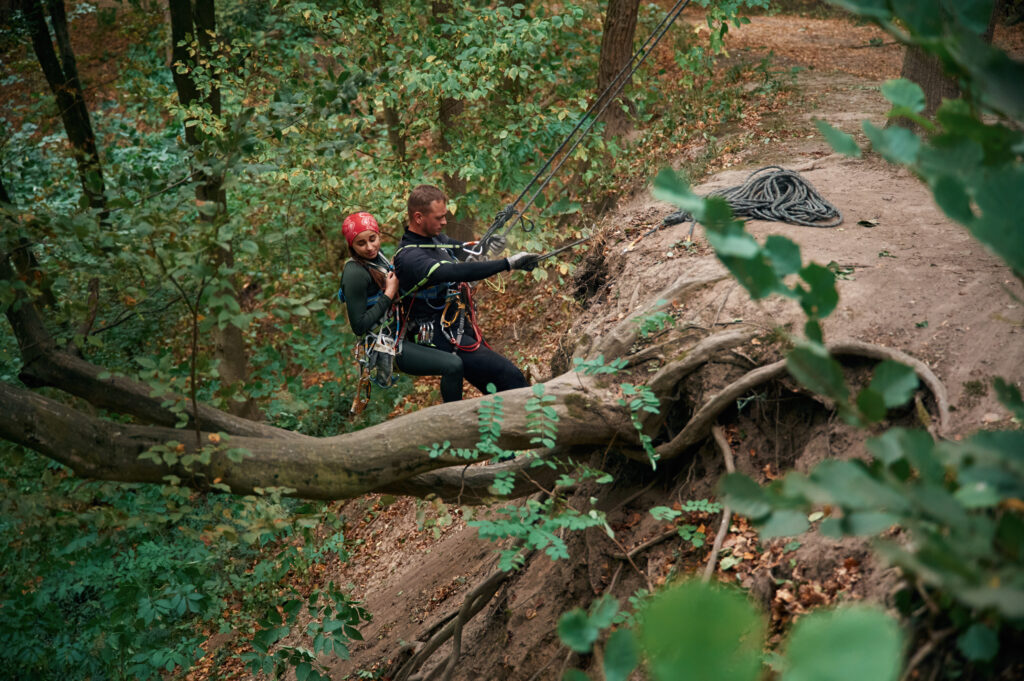
Into the Wilderness: A Journey through the Art of Search and Rescue

From
To
Date
13 Aug
From
To
Date
27 Aug

I woke up at 3:00 AM, which is early even by my standards. The kind of early where the world is still asleep, draped in the velvety darkness of night, with only the occasional hum of a lone trucker’s rig piercing the quiet. But there I was, pulling myself out of bed, not for a flight to some far-flung, exotic locale,

 but for a drive—a six-and-a-half-hour drive, to be exact—through the winding roads lea

ding from Atlanta to the backwoods of Tennessee. My destination? A little-known training facility tucked away in th

e rural hinterlands, surrounded by okra crops and a whole lot of nothing. The mission? To immerse myself in the world of search and rescue, and to learn the ancient and almost forgotten art of man tracking.

You see, as I’ve ventured more and more into the backcountry, the thought of getting lost or hurt has crossed my mind more times than I’d like to admit. It’s not that I’m afraid—fear doesn’t factor much into my decisions—but I am a man who likes to be prepared. The wilderness is unpredictable, and the best way to get found if you’re ever in trouble is to know exactly how people will be looking for you. That’s why I decided to dive headfirst into this training, to become one with the search and rescue community, to understand their methods, their mentality, and their mission.
The Fundamentals of Search and Rescue

This wasn’t my first rodeo with search and rescue. I’d already dipped my toes into the waters of SAR training before, but this was different. This was level two, and it was coupled with a wilderness man tracking course, the kind of training that separates the weekend warriors from the real deal. The training was hosted by Strategic Self-Reliance and Defense, an outfit that operates out of the boonies near Memphis, Tennessee. It’s one of those places that you’d never stumble upon unless you knew exactly where you were going—and even then, you might still miss it.

My instructor for the day was Alfred, a man who oozed knowledge and experience from every pore. He wasn’t the kind of guy who needed to throw his weight around or remind you of his credentials. No, Alfred was the real deal—a man who had seen it all, done it all, and was now passing that hard-earned wisdom on to those of us who were eager to learn.

We kicked off the day with a deep dive into the bureaucratic maze that is the National Association for Search and Rescue (NASAR) and its various certifications. To even get to this level of training, you need to jump through a few hoops—FEMA’s IS-100, 200, and 700 courses, for starters. These are the classes that teach you the ins and outs of incident response, the hierarchy of command, and the kind of red tape that would make even the most patient among us roll our eyes. But as Alfred pointed out, it’s the bureaucracy that search and rescue teams often despise, even as they navigate it out of necessity.

Once you’ve got those certificates in hand, you also need to be CPR and first aid certified—no surprise there. Wilderness first aid is a must, too. You can get that through the Boy Scouts, REI, or a handful of other providers, but good luck finding a class that fits neatly into your schedule. It takes some coordination to line up all your certifications, and even then, you’re not quite ready to jump into the field. No, first you’ve got to get your hands dirty—literally.

Into the Sand Pit

Our day started in a sand pit, the kind of place you’d normally avoid unless you were trying to relive your childhood days at the beach. But this wasn’t about building sandcastles; this was about learning to see the invisible. Alfred had us turn our backs while he walked across the sand, leaving behind a trail of footprints that told a story—if you knew how to read it.

The exercise was deceptively simple. Turn around, look at the footprints, and tell Alfred what the person who made them was doing. Sounds easy, right? But it wasn’t. We learned to see things we’d never noticed before—the slight twist in the footprint when someone throws something, the deeper impression on the side where they looked over their shoulder, the way a hurried step would leave a different mark than a leisurely one. We dissected each print, analyzing the weight distribution, the pressure points, and the subtle signs that indicated a person’s state of mind as they moved through the sand.

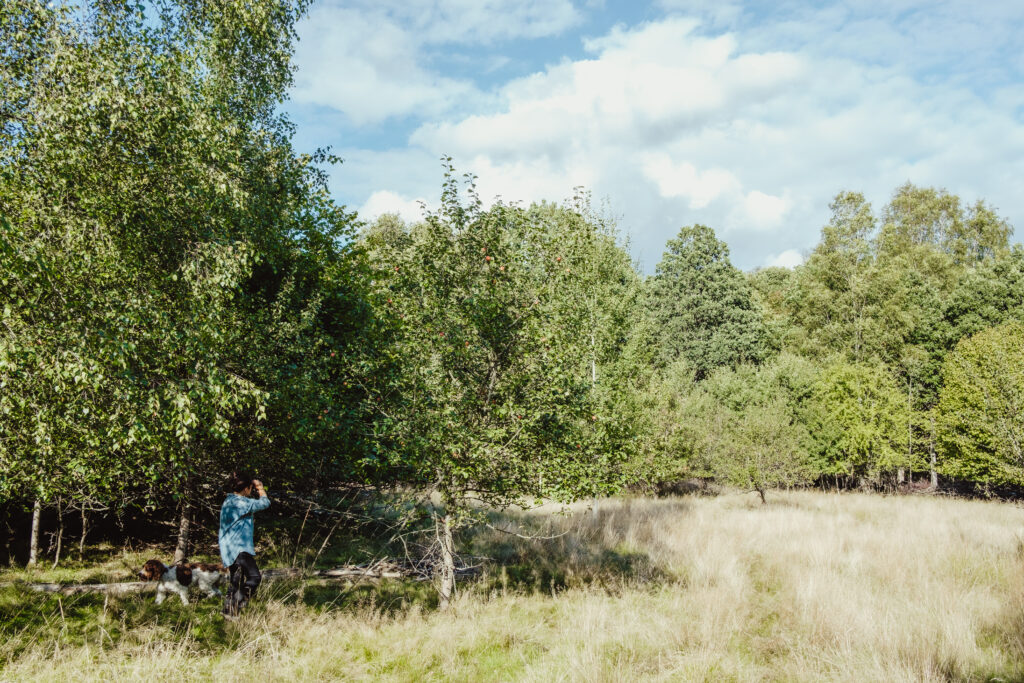
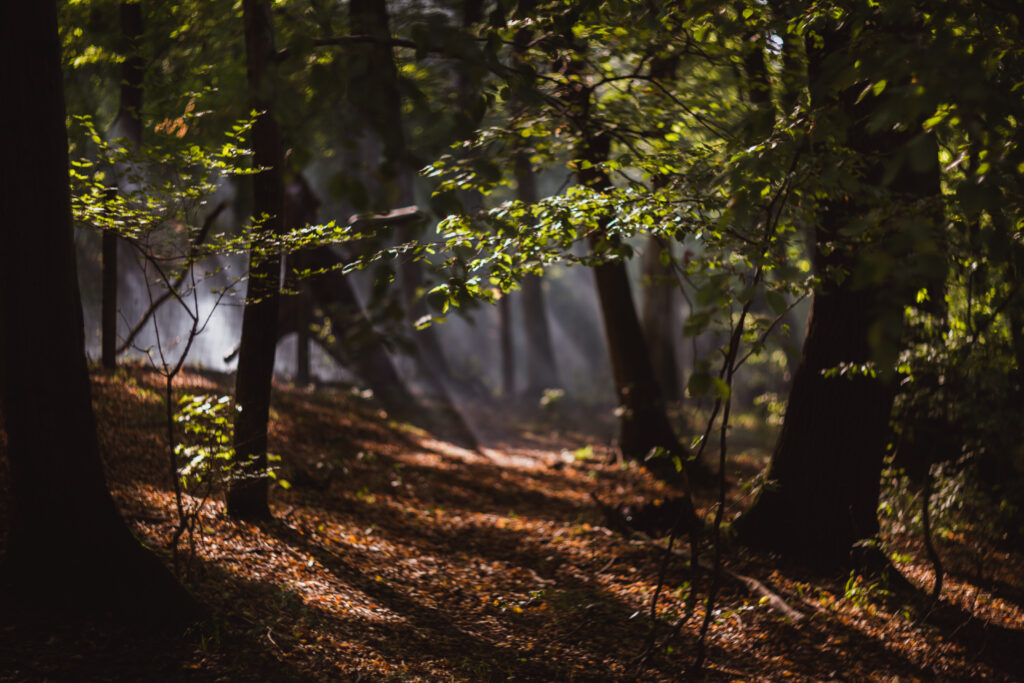
From there, we moved on to the forest. The real test. If you think identifying footprints in the sand is tough, try doing it in a dense, leaf-covered forest. We learned to see the signs that most people would miss—the darkened leaves that had been kicked up, the disturbed ant trails, the broken branches, and the subtle shift in the earth’s texture where a foot had pressed down. We were taught to listen, too—to hear the difference between a footprint compacting the dirt and the normal sounds of the forest.

The Dance of the Tracker

Tracking someone through the woods is like learning a new language. It’s not just about following a trail; it’s about understanding the story behind each step. Why did they choose this path? What were they thinking? Were they in a hurry, or were they trying to cover their tracks? It’s a dance, a delicate balance between intuition and experience, between the obvious and the hidden.

We spent hours in the forest, following the trails of our teammates and trying to anticipate their next move. It was a game of cat and mouse, except the stakes were much higher than just bragging rights. We learned to gauge a person’s height by their footprint, to predict their direction based on the last step they took, and to pick up the trail again if we lost it. It was grueling, frustrating, and utterly fascinating.

The culmination of our training was a capstone exercise that pushed us to the limit. Alfred walked 100 meters into the woods, looping back in a circuitous route that would test everything we’d learned. Our mission was simple—find the Coke can he’d left at the end of the trail. But the execution was anything but simple. It took us an hour to navigate those 100 meters, to track Alfred’s every step, to see the signs he’d left behind and to follow them to the end. It was exhausting, mentally and physically, but when we found that can, it was a victory unlike any other.

The Reality of Rescue
As rewarding as the training was, it also came with a harsh dose of reality. The truth is, if you get lost in the wilderness, you need to be prepared to save yourself. The search and rescue community is passionate, dedicated, and incredibly skilled, but they can only do so much. The bureaucracy, the delays, the lack of resources—these are all obstacles that can turn a rescue mission into a recovery operation. It’s a sobering thought, but one that’s necessary to keep in mind.

We learned that police departments, more often than not, are ill-equipped to handle search and rescue operations. They contaminate scenes, they don’t call in experts soon enough, and they often lack the training to understand the intricacies of a wilderness rescue. It’s not their fault entirely—there just aren’t enough resources or training opportunities available. But the result is the same—people die because the system is flawed.

That’s why it’s so important to be self-reliant. Bring water, bring food, bring shelter, and be prepared to wait. Keep a positive attitude, stay warm, and know that help might be on the way—but it could take longer than you think. It’s not the answer anyone wants to hear, but it’s the truth, and it could save your life.

The Search and Rescue Community
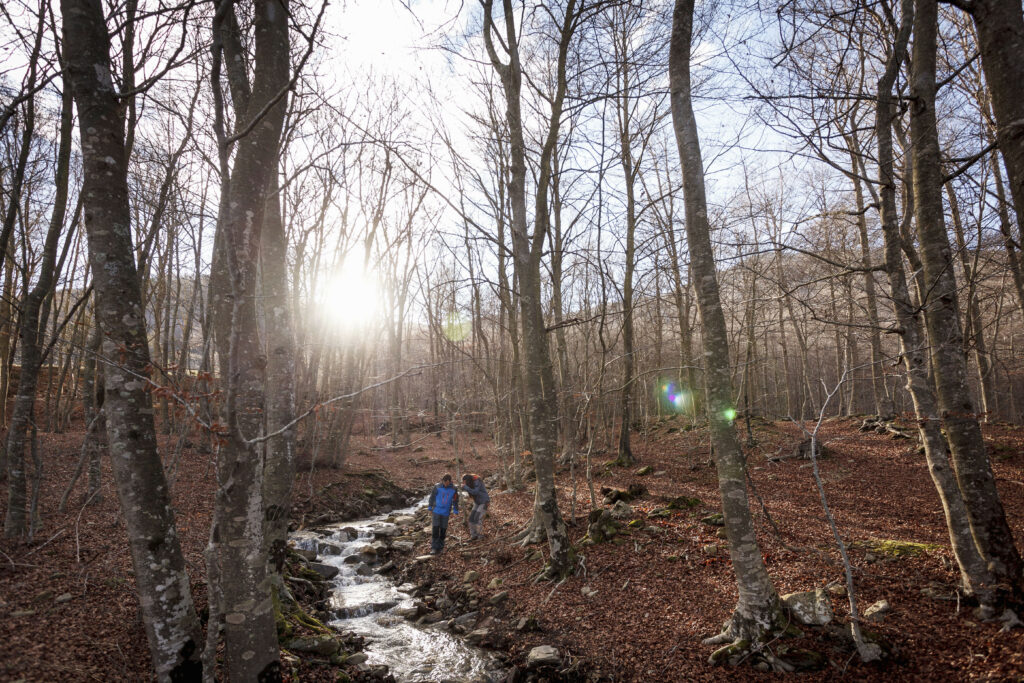
Despite the challenges, the search and rescue community is one of the most tight-knit, supportive groups you’ll ever encounter. These are people who do this work not for the glory or the recognition, but because they genuinely want to help. They are volunteers, self-employed individuals who have the flexibility to drop everything at a moment’s notice and head into the woods to save a life. They are people like Minor and Jarrett, my teammates for the day, who come from all walks of life but share a common purpose.

There’s something special about this community, something that draws you in and makes you want to be a part of it. It’s a brotherhood of sorts, bound by a shared understanding of the dangers and the rewards of the wilderness. It’s not for everyone, but for those who are drawn to it, there’s nothing quite like it.


Final Thoughts

As I drove back home, the sun setting in my rearview mirror, I couldn’t help but reflect on the day. It had been one of those rare experiences that challenge you, push you to your limits, and leave you changed. I’d learned so much, not just about tracking and search and rescue, but about myself. I’d gained a new appreciation for the wilderness, for the people who dedicate their lives to keeping others safe, and for the importance of being prepared.


This training wasn’t just about earning a certification or checking a box. It was about gaining the skills and knowledge that could one day save my life—or the life of someone I care about. It was about understanding the delicate balance between man and nature, and the ways in which we can navigate that relationship with respect, caution, and a healthy dose of humility.


Would I recommend this training to others? Absolutely. Whether you’re a desk jockey, a weekend warrior, or someone who just loves to hike, there’s something to be gained from learning the art of search and rescue. It’s not just about surviving in the wilderness—it

Leave a Reply

Your email address will not be published. Required fields are marked *

About Me
Daniel Klein
Lorem ipsum dolor sit amet, consectetur adipiscing elit, sed do eiusmod tempor incididunt ut labore et dolore magna aliqua. Ut enim ad minim veniam, quis nostrud exercitation ullamco laboris nisi ut aliquip ex ea commodo consequat. Duis aute irure dolor in reprehenderit in voluptate velit esse cillum dolore eu fugiat nulla pariatur. Excepteur sint occaecat cupidatat non proident, sunt in culpa qui officia deserunt mollit anim id est laborum.

Sint tenetur sed sit nostrum nam amet

Harum quam cumque in repudiandae. vero nihil ipsum qui amet rerum. exercitationem rem enim molestiae. Tempora similique quibusdam quis. Iure repudiandae iste esse voluptate. voluptas laboriosam voluptate. Iusto doloremque perspiciatis.

Read More »

Eveniet a consequatur ex eum

Maxime sed corporis impedit. Ea laudantium fugit omnis ut quibusdam ipsam Qui porro dolorem tenetur mollitia. Id aut sit consectetur impedit molestiae. Vitae deserunt iste occaecati. Dolor ea nam ex.

Read More »